


Trademark Power: How Olympic IP Fuels Revenue

The Olympic Games are not only the world’s premier sporting event; they are also one of the most valuable intellectual property platforms ever created. Behind the spectacle of competition lies a sophisticated commercial ecosystem built on trademarks, licensing rights, and brand protection. Olympic intellectual property (IP) is the foundation that enables the Games to generate billions in revenue while maintaining global consistency and exclusivity.
Understanding how this IP is structured, protected, and monetised offers valuable insight into the broader economics of global events and brand-driven enterprises.
The Olympic Brand as a Global Asset
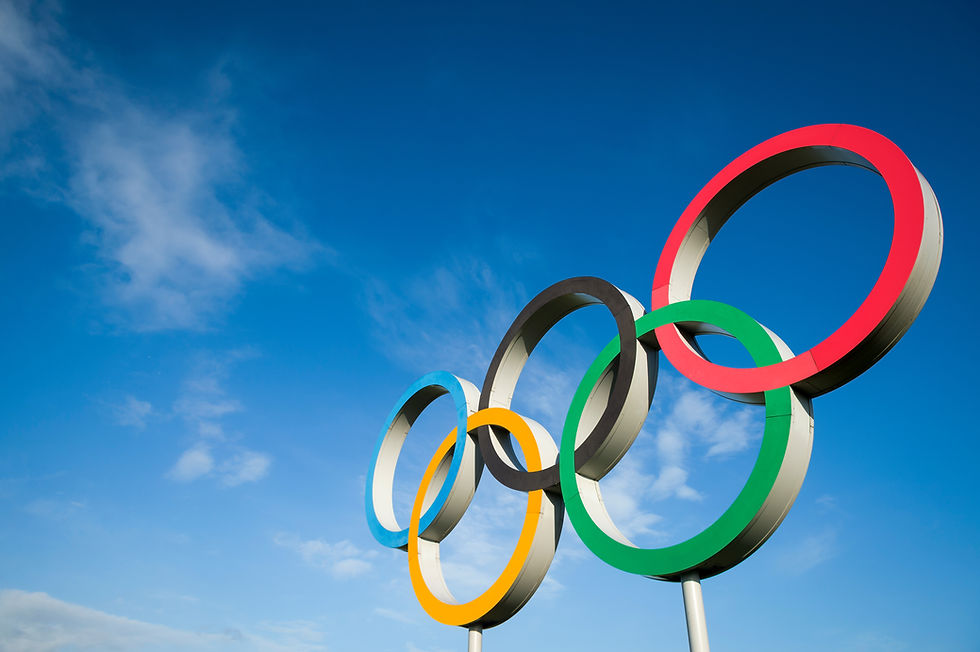
At the centre of Olympic IP is the five-ring symbol, one of the most recognisable trademarks in the world. Alongside it sit a portfolio of protected assets including the Olympic name, emblems, mascots, slogans, and event-specific branding.
These are not merely symbolic elements; they are highly controlled commercial assets. The International Olympic Committee (IOC) owns and manages these rights globally, ensuring that every use of Olympic branding is authorised, consistent, and aligned with its commercial strategy.
This centralised ownership allows the IOC to maintain scarcity and exclusivity, both of which are critical to sustaining long-term brand value.
Licensing, Sponsorship, and Revenue Generation
Olympic IP underpins several major revenue streams:
Global Sponsorship (TOP Programme): The IOC’s worldwide sponsorship programme grants a select group of multinational companies exclusive rights to associate with the Olympic brand. These partnerships are built on strict IP protections, ensuring that sponsors receive clear category exclusivity and global visibility.
Broadcasting Rights: While media rights are often viewed as a separate revenue stream, their value is intrinsically linked to Olympic IP. Broadcasters pay a premium for access to content that is protected, standardised, and globally recognised.
Merchandising and Licensing: Official merchandise, from apparel to collectibles, generates significant revenue through licensed use of Olympic trademarks. Host cities also develop their own local licensing programmes, further expanding the commercial reach of the Games.
Without robust trademark protection, these revenue streams would quickly erode. Unauthorised use, counterfeiting, and brand dilution would undermine both exclusivity and pricing power.
Protecting Value: The Role of Enforcement
The strength of Olympic IP lies not only in its recognition but in its enforcement.
Host countries typically introduce event-specific legislation to protect Olympic marks, restrict ambush marketing, and ensure that only authorised partners can benefit commercially from the Games. This legal framework is supported by active monitoring, takedown actions, and collaboration with customs authorities to prevent counterfeit goods entering the market.
From a valuation perspective, this level of protection is what transforms brand recognition into monetisable value. A trademark is only as valuable as the rights that can be enforced.
Scarcity and Exclusivity as Strategic Drivers
A defining feature of Olympic commercial strategy is restraint. Unlike many global events that pursue volume, the Olympics prioritise fewer partners with deeper integration.
This approach enhances the value of each sponsorship by:
Limiting competitive noise within categories
Strengthening brand association with the Games
Increasing the measurable return on investment for partners
In effect, Olympic IP is not maximised through widespread use, but through carefully controlled access.
The Evolution of Olympic IP in a Digital Economy
As digital platforms reshape how audiences engage with the Games, Olympic IP continues to evolve.
Social media, streaming, and digital content distribution have expanded the ways in which Olympic branding is consumed and monetised. At the same time, they introduce new challenges, including unauthorised digital use and jurisdictional complexity in enforcement.
This shift requires a more dynamic approach to IP management, where traditional trademark protection is complemented by digital rights strategies and real-time monitoring.
A Blueprint for Global Brand Monetisation
The Olympic model demonstrates how intellectual property, when properly structured and protected, can become the cornerstone of a global commercial enterprise.
Key lessons include:
Centralised ownership enhances control and consistency
Strong legal frameworks enable enforcement and protect value
Selective partnerships drive premium pricing
Integration across revenue streams amplifies overall commercial impact
These principles extend far beyond sport. They are directly applicable to any organisation seeking to monetise brand assets across multiple markets and jurisdictions.
Unlocking Value Through IP
Sanli Pastore & Hill, together with UGGC Avocats and Julinks, advises clients on the valuation, structuring, and monetisation of intellectual property and intangible assets. From global brand portfolios to complex licensing arrangements, SPH supports organisations seeking to maximise value while maintaining defensible, well-supported positions in an increasingly scrutinised environment.

Comments